Digital Transfers Driving Transitions: Connecting Reel Spins, Card Tables, and Match Predictions Through Seamless Funding and Tiered Incentives

Digital payment systems now link slot machines, table games, and sports wagering into unified player experiences across many regulated markets, and operators achieve this connection through instant funding tools paired with progressive reward structures that encourage movement between different game formats. Research from industry analysts shows that platforms using real-time deposit options report higher cross-genre activity, where users start with one type of entertainment and shift to others without friction in the funding process.
Seamless Funding Mechanisms in Multi-Format Gaming
Instant deposit technologies allow players to move funds between accounts tied to reels, cards, and match odds in seconds, and these systems rely on integrated wallets that support multiple game categories under single balances. Data from payment processors indicates that sites offering e-wallet and bank transfer options see reduced session interruptions, because users avoid separate funding steps when switching from spinning reels to placing wagers on live events.
Many platforms structure these transfers so that a single verification covers access to slots, blackjack tables, and sportsbooks, which streamlines entry points and keeps momentum across genres. Observers note that when deposit limits sync across categories, players maintain activity longer, since the same balance fuels reel spins one moment and card decisions the next without additional approvals.
Tiered Incentives That Span Game Types
Progressive reward programs assign points or levels based on total activity rather than isolated play, and this design pulls participants from slots toward table games and sports predictions as they climb tiers. According to reports compiled by the American Gaming Association, operators that tie bonuses to combined volume across formats record steadier retention rates, because incentives scale with broader engagement instead of single-category focus.
Initial welcome packages often distribute free spins alongside table credit and sports bet matches, which introduces users to multiple areas at once, and subsequent reload offers continue this pattern by scaling rewards when activity spans reels, cards, and odds boards. Those who study loyalty data find that players reaching mid-tier status tend to diversify their sessions, moving between game types to meet ongoing requirements for cashback or exclusive events.
Linking Reel Activity With Table Play and Match Wagers
Payment flows that update balances instantly enable quick shifts from slot sessions to live dealer tables or pre-match betting, and this connectivity reduces the barriers that once kept formats separate. Figures from transaction monitoring services reveal that average session lengths increase when funding remains continuous across categories, allowing users to test different experiences without logging out or re-verifying.
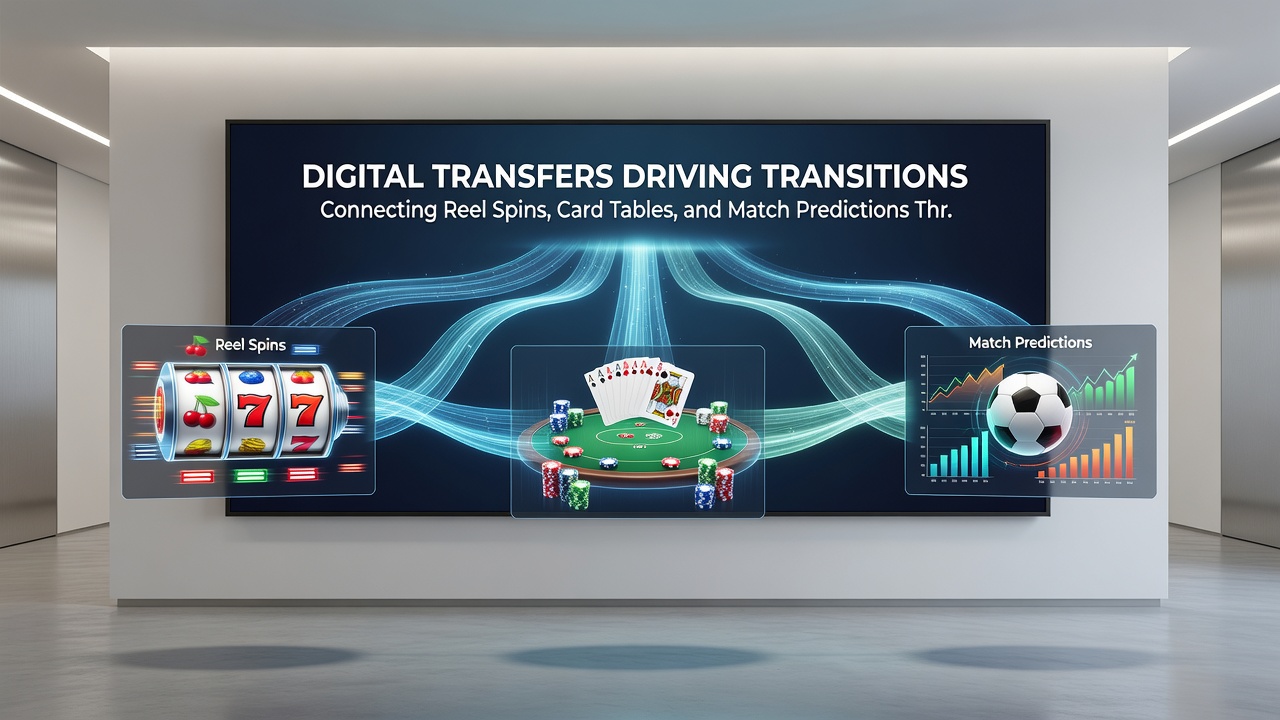
Case examples from platforms that implemented unified wallets demonstrate that users who begin with reel play often explore card tables after receiving tier-based multipliers that apply to all verticals. Researchers tracking behavior patterns observe similar migration toward sports predictions once cumulative spend unlocks higher reward brackets that cover multiple game classes.
Industry Patterns Emerging in Mid-2026
By June 2026, several markets have seen expanded use of interoperable payment rails that support cross-category play without extra fees, and these developments coincide with updated licensing conditions that emphasize consumer choice across entertainment options. Data compiled through regulatory filings shows growth in the number of sites offering tiered programs where points earned on one format convert directly for use on others, which further binds reel, table, and betting activity into single ecosystems.
Industry groups such as the European Gaming and Betting Association have published summaries noting that seamless funding reduces drop-off rates during genre switches, while tier structures reward consistent movement between spins, hands, and predictions. Those reviewing transaction volumes report that platforms adopting these combined approaches register measurable increases in overall handle across all game types rather than concentration in one area.
Practical Examples of Connected Play
One documented pattern involves users depositing once through a mobile app and then allocating portions of the balance to reels for quick sessions, tables for strategic rounds, and sports markets for event-based wagers, with the same tier progress applying throughout. Payment records indicate that such flexibility correlates with higher total deposits over time, because players encounter fewer obstacles when exploring new categories.
Another set of observations from loyalty program audits shows that participants who hit certain volume thresholds receive targeted offers that encourage continued diversification, such as bonus funds usable on card games after reel milestones or enhanced odds on matches following table play. These mechanics rely on the underlying transfer systems that keep balances synchronized and visible across all interfaces.
Conclusion
Digital transfers paired with tiered incentives have created measurable pathways that connect slot reels, card tables, and sports match predictions within single player accounts, and evidence from transaction data together with loyalty metrics supports the continued expansion of these integrated models through 2026 and beyond. Platforms that maintain instant funding options while scaling rewards across formats continue to record activity that spans multiple game categories rather than remaining isolated.