Goalposts to Jackpots: How Flexible Transaction Methods Encourage Shifts From Sports Wagers to Roulette and Blackjack Play While Building Loyalty Benefits

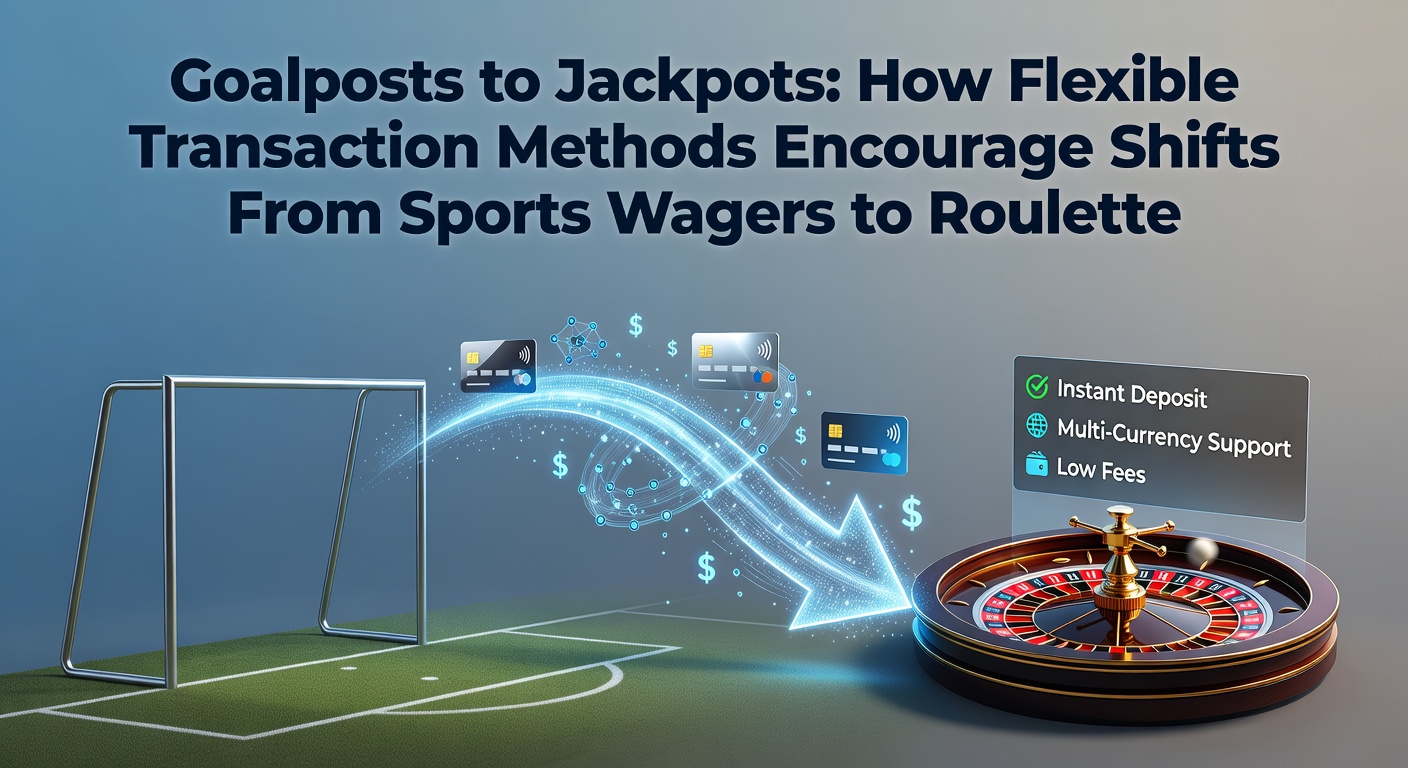
Payment systems have evolved rapidly in regulated gambling markets, and observers note that seamless funding options now play a central role in how players move between different game types. Research from industry analysts shows that instant deposit and withdrawal features reduce friction when users decide to explore table games after placing sports wagers, which creates natural pathways from event-driven betting to continuous-play formats such as roulette and blackjack.
Payment Flexibility and Player Movement Patterns
Data compiled across multiple operators indicates that players who use e-wallets and real-time bank transfers tend to complete more transactions within a single session compared with those relying on slower card methods. This speed matters because sports events often conclude at set times, whereas roulette wheels and blackjack tables run without interruption, so quick access to funds lets users switch formats without leaving the platform. Studies conducted in North American and Australian markets reveal similar patterns where deposit speed correlates with higher engagement across both sportsbook and casino verticals.
According to figures released by the American Gaming Association, mobile transaction volumes increased steadily through 2025, and projections for May 2026 suggest further growth as more jurisdictions adopt open banking standards. These standards allow verified players to move money directly between accounts and gambling wallets in seconds, which removes the waiting periods that once discouraged spontaneous shifts toward live dealer or table game sections.
Building Loyalty Through Integrated Rewards
Loyalty programs have adapted to reward cross-genre activity rather than isolated play. Points accumulated from sports wagers can now convert automatically into casino bonuses when users fund roulette or blackjack sessions through the same verified wallet. Industry reports highlight that operators using unified transaction ledgers record longer player lifecycles because rewards feel continuous instead of segmented by product type.
One analysis of European operators found that participants who completed at least three instant deposits per month showed elevated retention rates after six months, particularly when those deposits funded both sports and table games. The mechanism works because loyalty tiers unlock faster withdrawal limits and personalised reload offers that apply across verticals, encouraging users to maintain activity rather than concentrate on a single category.
Regulatory Context and Market Data
Regulatory frameworks outside the United Kingdom have begun to address transaction transparency in ways that indirectly support smoother player journeys. In Ontario, for example, the Alcohol and Gaming Commission requires clear display of deposit times, which has led platforms to prioritise instant options that comply while improving user experience. Similar requirements appear in several Australian state licences, where operators must publish average processing speeds for different payment rails.
Market research published by H2 Gambling Capital tracks how these regulatory nudges coincide with rising cross-product play. The data shows that markets with mature instant-payment infrastructure report higher percentages of users who begin with sports betting and later sample roulette or blackjack within the same account. Loyalty benefits attached to these movements include tiered cashback on net losses and exclusive tournament entries that span both verticals.
Case Examples from Operator Reports
Operators in mature markets have documented specific campaigns that link sports wagers to table game incentives through shared funding methods. In one documented rollout, users who deposited via open banking to place a football bet received an automatic voucher for live blackjack tables once the sports event ended. Participation rates for the second product rose measurably, and subsequent loyalty point earnings increased because the same transaction history fed both reward streams.
Another program tracked in Canadian provinces offered progressive multipliers on roulette bets when players funded accounts after a completed sports wager. The structure relied on real-time balance updates so that users never needed to initiate separate deposits, which kept momentum across game types. Observers note that such mechanics rely entirely on the underlying payment rails remaining fast and reliable throughout the session.
Conclusion
Flexible transaction methods continue to reshape how players navigate between sports betting and table games while accumulating loyalty benefits. Evidence from multiple regulated regions demonstrates that instant funding reduces barriers, supports longer engagement windows, and allows reward systems to operate across verticals without interruption. As payment standards advance toward May 2026, the same patterns appear likely to persist wherever operators maintain unified ledgers and transparent processing times.