Instant Payment Systems Bridge Shifts Between Live Tables, Reels, and Sports Markets on Mobile Devices
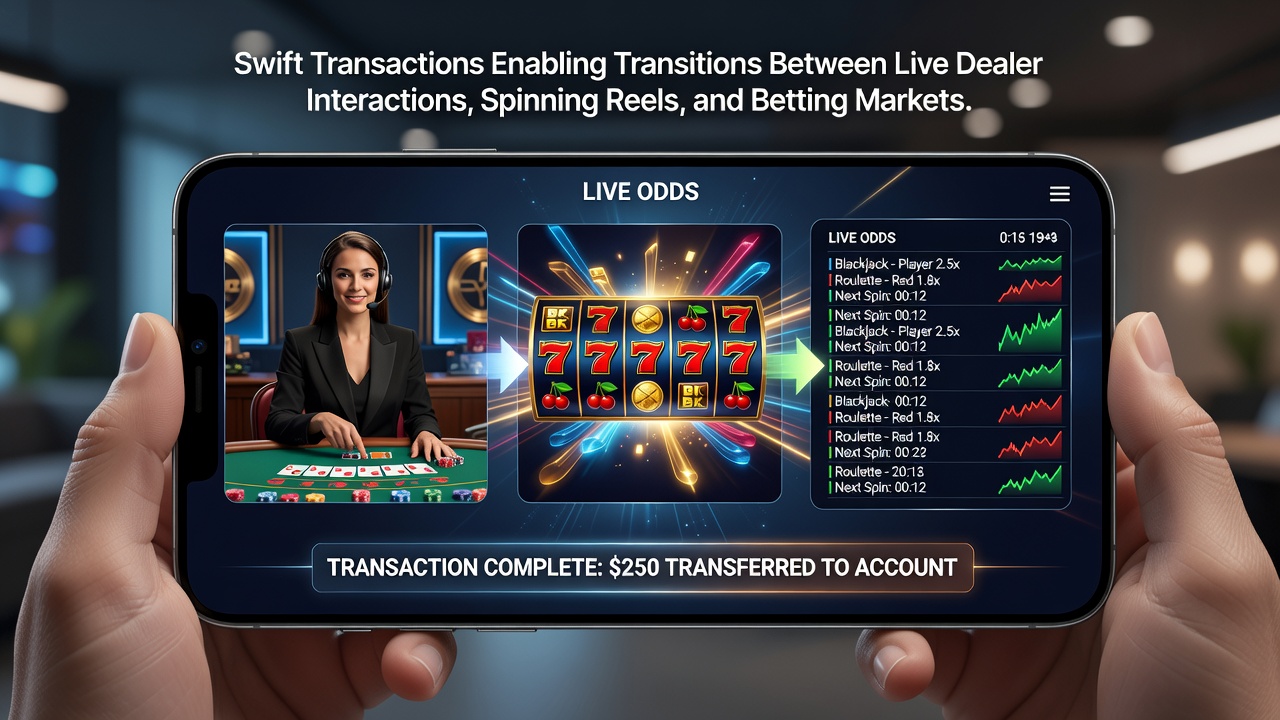
Payment processing speed now determines how easily users move between live dealer sessions, spinning reels, and betting markets while using handheld devices, and industry data from June 2026 shows continued growth in cross-genre activity supported by these systems. Financial technology providers integrate with gaming platforms to handle deposits and withdrawals in seconds rather than minutes, which allows account balances to update without forcing players to pause or restart their sessions.
Operators track these movements through backend analytics that record the frequency of genre switches, and reports indicate that users who complete deposits via instant methods tend to explore multiple categories within a single session more often than those relying on slower options. This pattern appears across various device types, from smartphones to tablets, because the underlying transaction rails operate independently of screen size or operating system.
Technical Foundations of Rapid Funding
Modern payment gateways rely on APIs that connect directly to banking networks and digital wallets, which reduces the number of verification steps required before funds appear in a gaming account. When a player initiates a deposit, the system confirms authorization through tokenization rather than exposing full card details, and this approach meets security standards while maintaining speed. Observers note that integration with services such as open banking in certain regions further shortens the interval between request and confirmation.
Software development kits supplied by payment companies allow gaming applications to embed these functions without requiring separate browser windows or redirects, and developers test these features extensively to ensure compatibility during live dealer streams or real-time betting updates. Data collected by platform providers shows that transaction failure rates drop when these integrated tools replace older, multi-step processes.
Patterns of Cross-Genre Movement
Users frequently begin with one category and shift to another once an initial deposit clears, and records from multiple operators reveal that live dealer tables often serve as entry points before players move to reel-based games or place wagers on sports events. The reverse sequence also occurs regularly, particularly when a sports market closes or when a live session ends, prompting immediate relocation to slots or other table offerings.
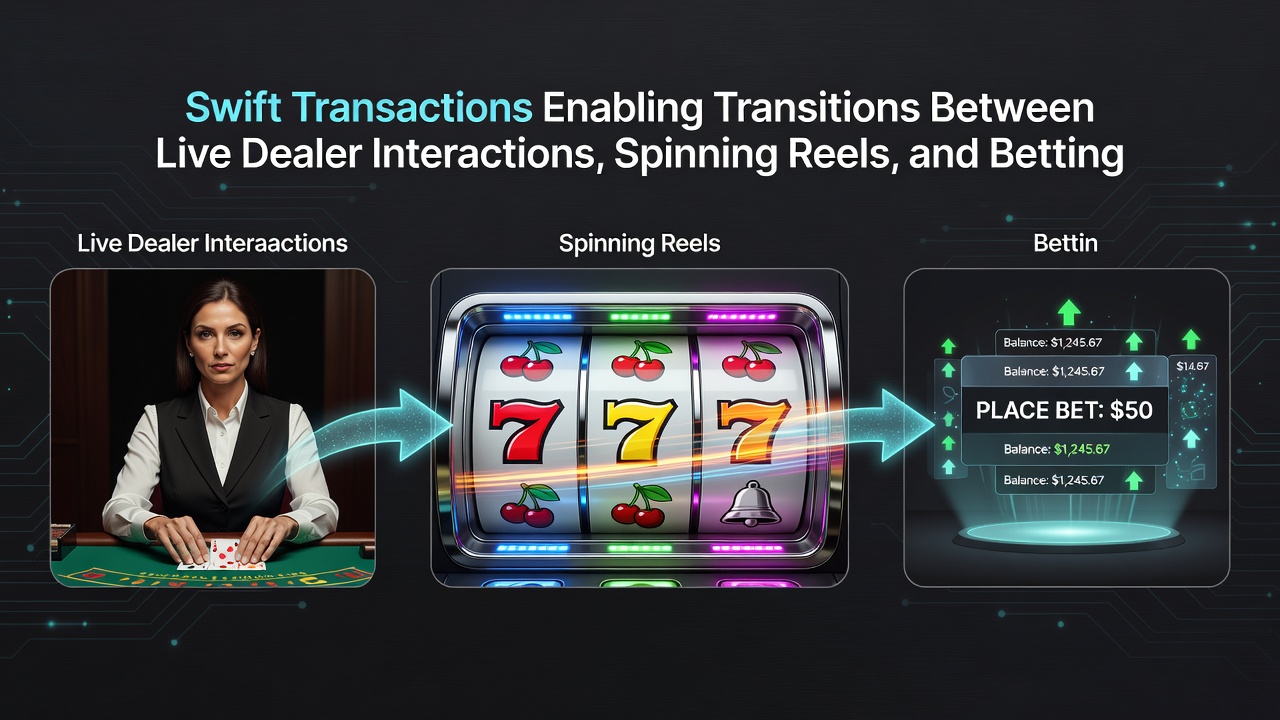
Session length data collected through June 2026 indicates that accounts using instant funding complete more genre transitions per hour than accounts limited to batch-processed payments. This difference holds across age groups and geographic markets, although the absolute number of switches varies by individual preference and time of day. Platform dashboards display these metrics to operators so they can adjust promotional timing to match observed movement patterns.
Regulatory Context Across Regions
Authorities in multiple jurisdictions require transaction logs to include timestamps that align with game activity records, and compliance teams use these combined datasets to verify responsible play measures. A study released by the American Gaming Association examined mobile transaction volumes in regulated U.S. states and found that faster processing correlates with higher session continuity across game types. Similar findings appear in reports issued by Australian state regulators, where mobile adoption rates continue to rise alongside improvements in payment infrastructure.
Security protocols mandated by these bodies include encryption standards and fraud detection algorithms that operate in real time, preventing unauthorized transfers while preserving the speed that users expect. Operators must retain records for specified periods, and automated systems flag unusual patterns without interrupting legitimate activity.
Future Infrastructure Developments
Payment networks continue to expand support for additional digital currencies and regional banking methods, which broadens access for users in markets where traditional cards face restrictions. Testing phases underway in several territories explore near-field communication options that could further reduce the physical steps needed to complete a deposit on handheld devices.
Industry forecasts presented at technology conferences in early 2026 projected sustained growth in the volume of multi-genre sessions, driven by continued refinement of instant transaction capabilities. Platform providers monitor these projections against actual performance metrics to guide resource allocation for both payment integrations and game content updates.
Conclusion
Swift transaction capabilities now form a core component of mobile gaming infrastructure, enabling documented patterns of movement between live dealer interactions, spinning reels, and betting markets without extended interruptions. Available data through June 2026 confirms that these systems support higher session continuity when implemented according to existing technical and regulatory standards. Continued refinement of payment APIs and security measures will likely sustain this functionality across evolving device platforms and market conditions.