Integrated Incentive Designs in Handheld Gaming: Blending Reel Spins, Dealer Sessions, and Athletic Wagers

Handheld applications have developed layered incentive structures that connect reel-based games, live dealer tables, and sports wagering markets into single user journeys, and these frameworks rely on shared progress meters, tiered status levels, and cross-eligible rewards that move value between formats rather than isolating each category. Developers design these systems so that activity in one area, such as completing reel cascades, contributes directly to eligibility for bonuses usable at dealer tables or on athletic odds, creating continuous engagement loops that operate across the full suite of offerings available on portable devices.
Core Elements of Blended Incentive Structures
Reel spins generate base progression points that accumulate toward status thresholds, while dealer interactions supply additional multipliers when users switch to table games within the same session, and athletic odds contribute through settlement of wagers that unlock further reel or table credits. These mappings appear in applications that track unified ledgers rather than separate balances for each product type, allowing a single currency or point pool to service all three domains without requiring users to restart accumulation processes when they change activities.
July 2026 saw several platform operators release updated mapping tools that display real-time conversion rates between spin outcomes, table results, and betting settlements, and these displays help users visualize how current play affects future reward access across the three categories. The updates followed earlier industry shifts toward unified account systems that treat slots, live tables, and sports markets as interconnected rather than parallel offerings.
Technical Mapping Approaches in Mobile Environments
Applications implement these structures through backend rules engines that assign weighted values to different actions, for example granting higher conversion rates for live dealer rounds than for automated reel spins because the former involve direct interaction, while sports wagers receive settlement-based bonuses tied to outcome probabilities. Observers note that such weighting maintains balance across game types because high-frequency reel play builds volume quickly, whereas dealer sessions and athletic markets provide episodic boosts that accelerate tier advancement when users move between them.
Research from the University of Nevada's gaming studies group indicates that integrated tracking reduces fragmentation in user accounts and supports longer retention periods when rewards remain accessible across formats. Data from that work shows measurable increases in cross-category participation once unified ledgers replace isolated ones.
Practical Examples from Current Platforms
One widely observed pattern involves welcome sequences that begin with reel spins, transition into live dealer demonstrations, and conclude with introductory sports wagers, each step feeding a shared progress bar that determines the size of the next available reward. Subsequent activity follows similar routing, with daily or weekly challenges that list objectives in all three areas and award cumulative bonuses only after completion across the full set.
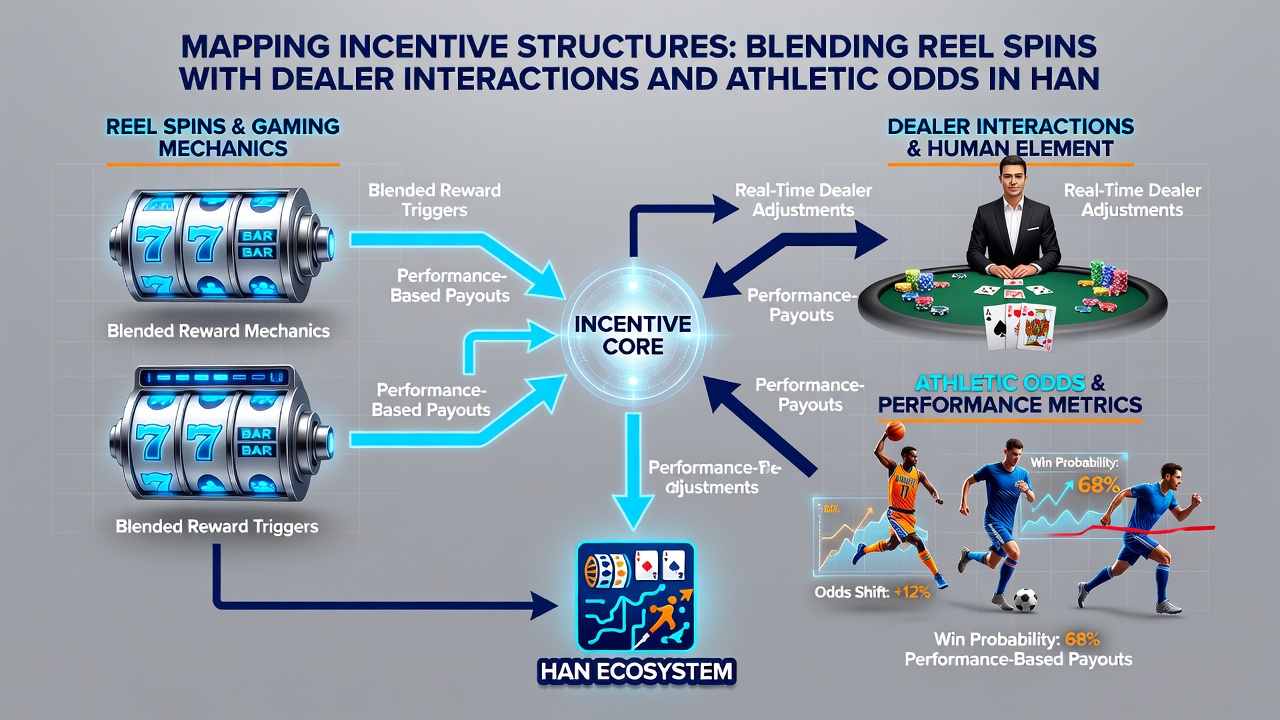
Another common construction ties VIP progression to combined metrics such as total handle across reels, average session length at tables, and accuracy of sports selections, so that status upgrades unlock features usable in any of the three areas rather than restricting new privileges to a single category. Platforms that adopted this approach report that users maintain higher overall activity levels because advancement remains possible regardless of which format they prefer on a given day.
Regulatory and Market Context Around Mid-2026
Authorities in multiple jurisdictions have begun examining how these blended structures align with existing consumer protection standards, and discussions focus on transparency of conversion rates and clarity around eligibility conditions that span product types. Figures from the Nevada Gaming Control Board show continued growth in mobile handle during the first half of 2026, with operators noting that integrated incentives form part of the expansion strategy in regulated markets.
Industry reports from the American Gaming Association highlight that operators continue to refine these mappings to meet both commercial goals and oversight expectations, particularly around clear disclosure of how actions in one category affect rewards in others. Those refinements appear in application updates released throughout 2026.
Conclusion
Mapping incentive structures that link reel spins with dealer interactions and athletic odds in handheld applications produces unified progression systems that operate through shared ledgers, weighted conversion rules, and cross-category challenges. These designs allow activity in any one area to support advancement in the others, and platform updates in 2026 have made the connections more visible to users. Data from academic and regulatory sources indicates sustained interest in these frameworks as mobile gaming continues to expand across regions.