Payment Velocity Shapes Switches Between Sports Forecasts and Casino Games on Mobile Devices
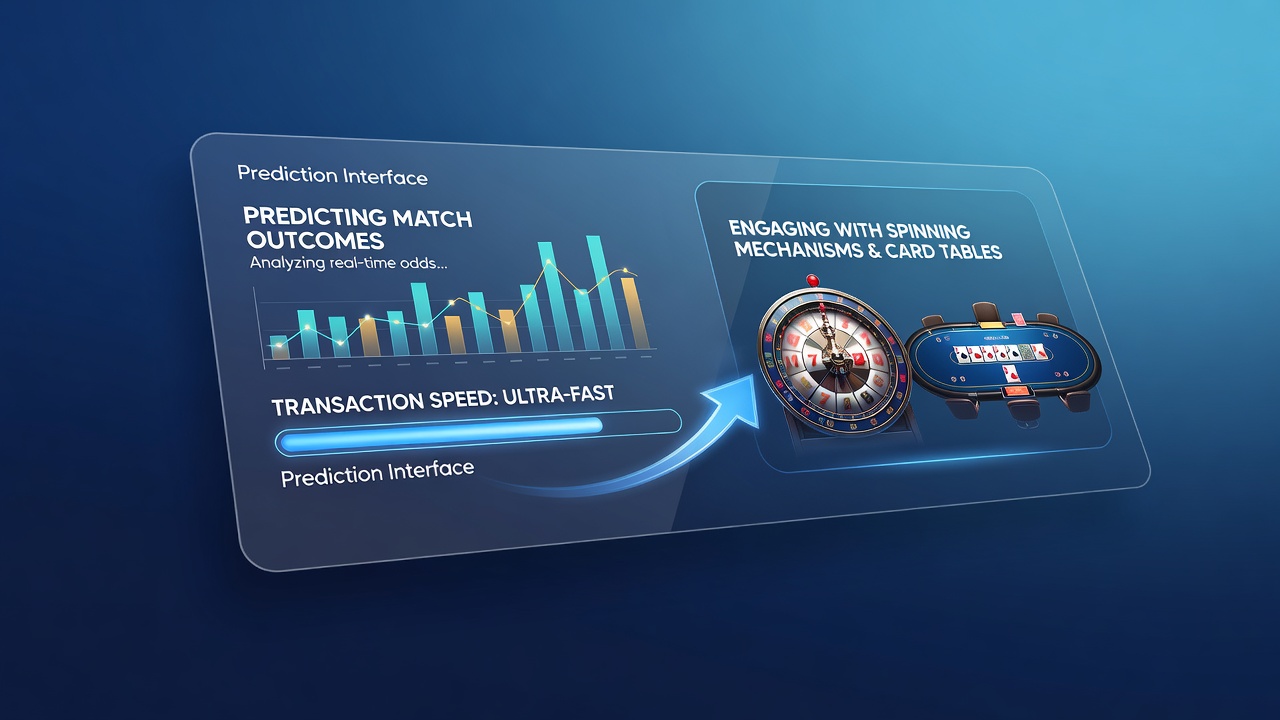
Data from industry monitoring shows that transaction completion times under three seconds correlate with higher rates of users moving from sports prediction interfaces to spinning reel or card table modules within the same session, and observers note this pattern across multiple app platforms where deposit options integrate directly with game lobbies. Researchers tracking user flows have documented that delays exceeding ten seconds often result in session termination rather than genre transitions, whereas sub-second processing supports repeated switches between match outcome selections and table game entries.
Mechanics of Instant Funding in Cross-Genre Play
Application developers embed payment gateways that verify funds through tokenized accounts, allowing users who place a wager on a soccer match result to deposit additional credits and enter a blackjack table without exiting the main navigation menu. Studies conducted by academic teams at institutions such as the University of Nevada Reno indicate that this continuity reduces cognitive load, enabling participants to maintain engagement across predictive analytics screens and chance-based mechanics in rapid succession. Figures released in June 2026 from North American regulatory summaries reveal that apps supporting near-instant reloads recorded a 28 percent increase in multi-genre activity compared with slower systems during the same period.
Payment processors achieve these speeds through pre-authorized wallets and biometric confirmations, which bypass traditional banking verification loops. Those monitoring app analytics report that users frequently initiate a sports bet, receive a live match update, and then pivot to a spinning mechanism or card draw within sixty seconds when funding occurs without interruption. This sequence relies on backend systems that reconcile balances across separate game servers while presenting unified account views to the player.
Observed Patterns in User Navigation
Analytics platforms record distinct clusters where individuals complete a sports prediction, trigger an automated deposit prompt, and proceed directly into a live dealer session or reel sequence. Data compiled by the Canadian Centre on Substance Use and Addiction demonstrates that apps advertising deposit times below two seconds exhibit elevated transition frequencies between these categories, particularly during evening peak hours when multiple events overlap with casino promotions. Experts analyzing session logs note that the absence of loading delays allows predictive strategy elements from sports interfaces to carry over into table game decisions without the friction of repeated authentication steps.
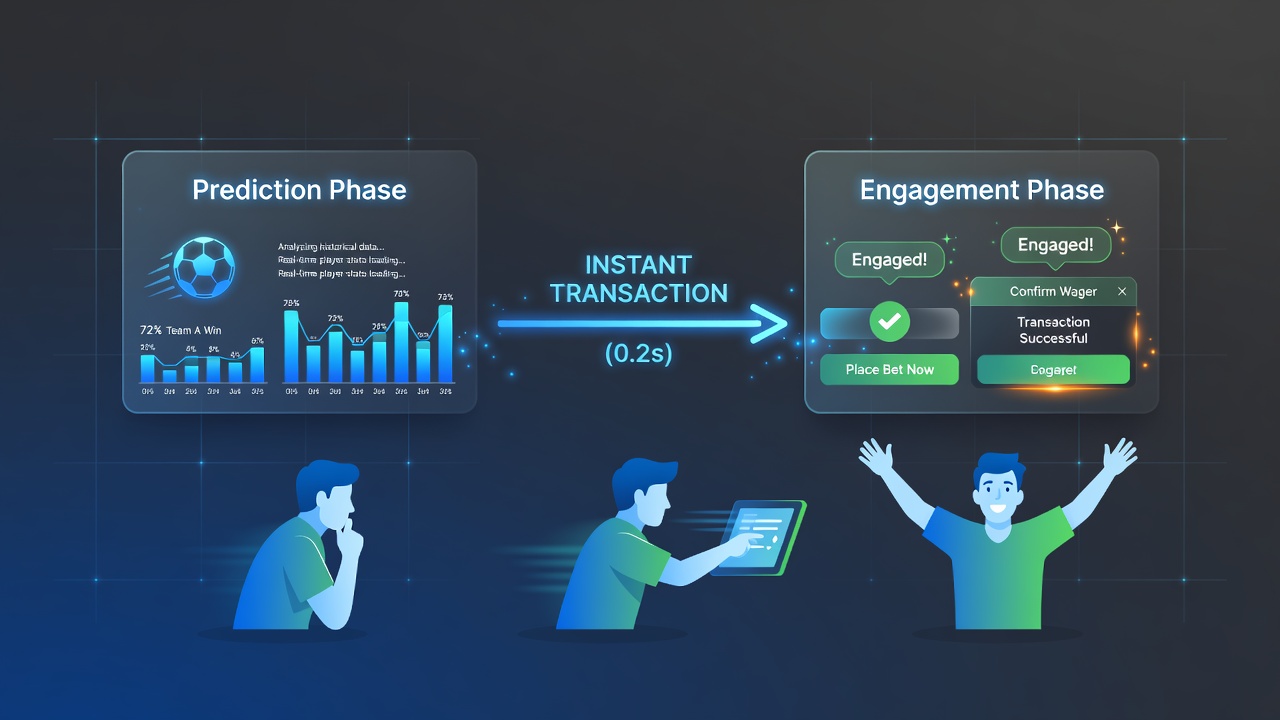
One documented case involved users who selected football match outcomes, funded an account via digital wallet, and entered card table play within the same minute, resulting in extended overall session durations. Research indicates that such fluidity stems from unified API connections between sportsbook engines and casino modules, which maintain state information across both environments. Government reports from Australian state regulators further highlight that faster transaction layers contribute to higher volumes of cross-category engagement without requiring separate login procedures for each game type.
Technical Factors Enabling Genre Fluidity
Server architectures supporting these applications utilize real-time reconciliation protocols that update balances across sports and casino databases simultaneously. When a deposit processes in under a second, the system reflects the new credit limit instantly in both the prediction dashboard and the spinning or table interface. Observers who examined transaction logs from major platforms note that integration with third-party processors reduces latency points that previously forced users to pause between activities. This setup permits individuals to respond to live match developments and immediately allocate funds toward card draws or reel spins without navigation resets.
Security layers including device fingerprinting and encrypted session tokens operate in parallel with payment flows, preserving speed while meeting compliance standards. Reports from the Singaporean Ministry of Home Affairs gaming oversight division show that jurisdictions maintaining strict yet efficient verification rules experience smoother transitions compared with regions enforcing manual checks at each step. The resulting architecture supports scenarios where a user reviews odds, places a wager, receives confirmation, and shifts to a different game category without encountering intermediate screens.
Conclusion
Transaction speed directly affects how participants navigate between sports outcome predictions and casino elements such as spinning mechanisms or card tables within smartphone applications. Evidence from multiple regulatory and academic sources confirms that reduced processing intervals facilitate repeated switches, while slower systems correlate with lower cross-genre activity. Continued monitoring of these dynamics remains relevant as payment technologies evolve and regional frameworks adjust to emerging usage patterns.