Unlicensed Casino Web Targets UK Gamblers: Guardian Probe Reveals Scale of GamStop Bypass Operation
Unlicensed Casino Web Targets UK Gamblers: Guardian Probe Reveals Scale of GamStop Bypass Operation

The Exposé That Lifted the Lid
A detailed investigation by The Guardian, published in early April 2026, shone a spotlight on a massive network of unlicensed online casinos preying on UK players, particularly those who had self-excluded through GamStop; brands like MyStake, Velobet, Goldenbet, and Rolletto sat at the heart of this operation, all run by Santeda International, a company based in Curaçao, and they pulled in vulnerable gamblers via aggressive affiliate promotions touting "Not on GamStop" sites alongside AI-generated fake endorsements that mimicked trusted voices.
What's interesting here is how these platforms evaded UK regulations entirely, operating without a Gambling Commission licence while bombarding British users with ads on social media, search engines, and influencer channels; observers note that affiliates played a key role, earning commissions for driving traffic to these offshore havens, and the result painted a picture of a shadow industry thriving just beyond the reach of domestic oversight.
And while Curaçao's licensing regime offers lighter touch regulation—often criticized for lax enforcement—these sites didn't even fully comply there, according to the probe, which traced their operations back through complex corporate structures designed to obscure ownership.
Operators and Hidden Connections
Santeda International emerged as the central player, managing multiple casino brands from its Curaçao base, but here's the thing: software provider Upgaming AG, linked to Georgian businessmen, powered much of the backend until it recently cut ties amid the growing scrutiny; data from the investigation shows Upgaming supplied the tech backbone for games, payments, and user interfaces across these sites, allowing seamless play for UK visitors despite the lack of local authorization.
Take one case highlighted in the report where Georgian nationals appeared in company records tied to both Santeda and Upgaming, raising questions about international networks exploiting jurisdictional gaps; experts who've tracked offshore gambling point out that such setups aren't uncommon, with Curaçao serving as a hub because its licences cost less and demand fewer player protections compared to the UK's stringent rules.
Yet the probe went deeper, uncovering how these casinos used shared domains, identical promo codes, and mirrored designs to form a single sprawling empire, all while dodging GamStop's self-exclusion database that blocks access on licensed UK sites; people often find themselves slipping through these cracks, especially when affiliates push "GamStop-free" narratives that sound like a lifeline but lead straight to unregulated waters.
Targeting the Vulnerable: GamStop Dodgers
The network zeroed in on self-excluded UK gamblers, those who'd signed up to GamStop—a free service blocking them from all licensed online operators for set periods—by marketing heavily as alternatives unbound by such restrictions; affiliates flooded platforms with ads promising unrestricted access to slots, sports betting, and live casino action, often using AI-crafted testimonials from supposed winners or influencers that turned out to be fabricated deepfakes.
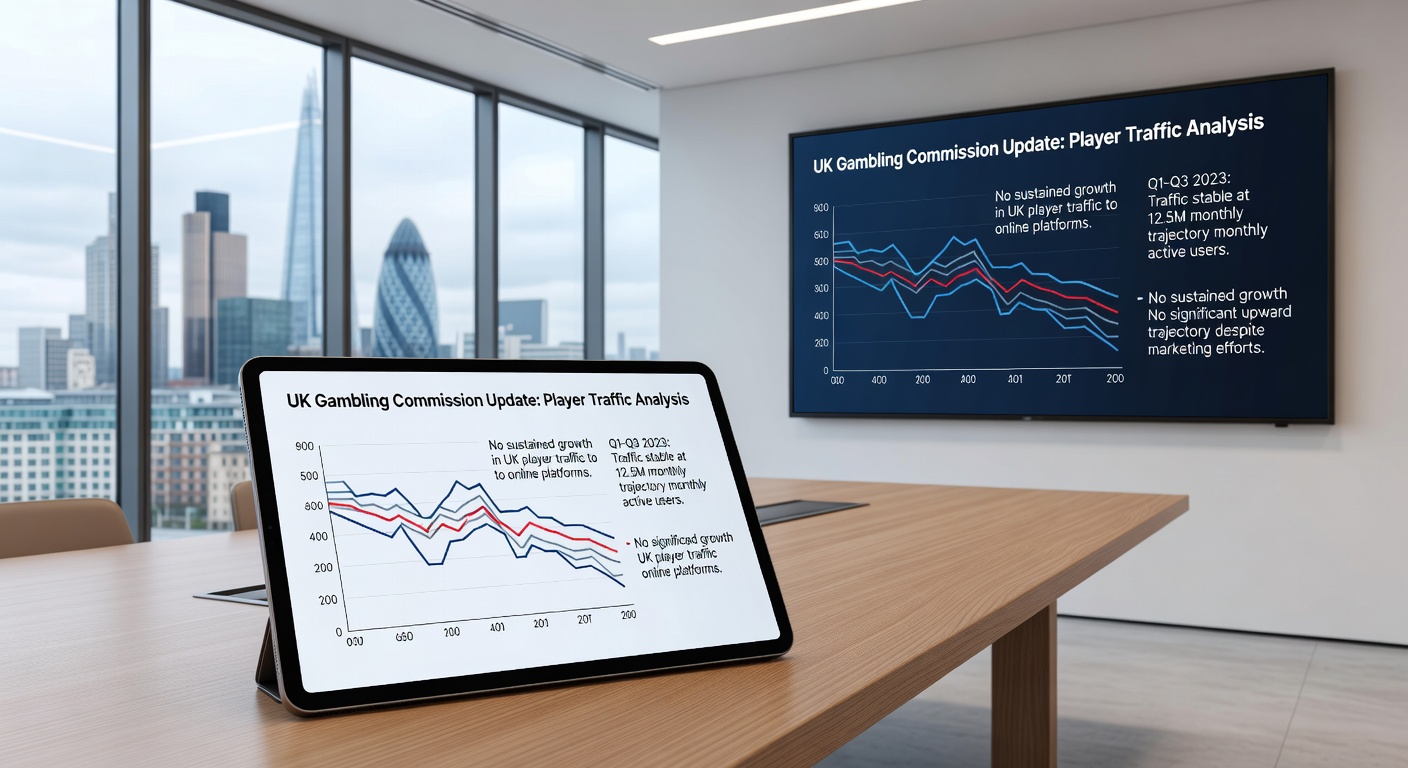
Figures reveal the scale: from November 2025 through January 2026, these sites averaged 2.3 million unique UK visitors monthly, a surge that data attributes to targeted SEO, paid search ads, and social media blitzes; researchers analyzing traffic logs found peaks during evenings and weekends when impulse plays run highest, with many users crossing over from self-exclusion lists obtained through murky channels or inferred from search behaviors like "casinos not on GamStop."
But it's not just volume; the probe detailed how deposit bonuses, free spins, and cashback deals lured players in, only for withdrawal hurdles—think endless verification loops or sudden account freezes—to keep funds locked, a tactic observers have seen in rogue operations worldwide.
Financial Ruin and Human Cost
Significant financial losses piled up for UK players, with the investigation citing cases where individuals dropped thousands into these sites over short spans; one study referenced in the report estimated aggregate losses in the millions from British punters alone during the tracked period, fueled by high-speed slots, aggressive sports odds, and live dealer tables that kept engagement high.
More alarmingly, fraud ran rampant—stolen payment details, bonus abuse scams, and even chargebacks rejected by offshore processors left victims out of pocket; and then there's the tragic element, a suicide ruled by coroners as partly attributable to unlicensed operators, where the deceased had racked up debts on MyStake after self-excluding via GamStop, highlighting how these networks exacerbate addiction without safeguards like deposit caps or reality checks.
Those who've studied gambling harm note that unlicensed sites skip mandatory interventions, such as session timeouts or net loss alerts, which UK-licensed operators must implement; the reality is, players chasing losses in this environment face steeper risks, with no recourse through bodies like the Independent Betting Adjudication Service.
Political Pushback and Regulatory Scrutiny
Labour MP Alex Ballinger and Conservative MP Iain Duncan Smith responded swiftly to the April 2026 exposé, urging the Gambling Commission for tougher enforcement against offshore operators targeting UK players; in parliamentary statements, they pointed to the regulator's limited success despite an extra £26 million in funding from the November 2025 budget, which aimed to bolster digital monitoring and international partnerships.
Ballinger highlighted affiliate networks as a weak link, calling for blocks on payment processors and ad platforms that enable these promotions, while Duncan Smith stressed the human toll, referencing the suicide case as evidence that current tools fall short; data from Commission reports shows enforcement actions rose post-2025, yet unlicensed sites persist, adapting quickly with VPN-friendly domains and crypto payments.
So now, with the story breaking amid ongoing 2026 reforms—like stake limits and higher remote gaming duties—the pressure mounts on regulators to expand powers, perhaps through mandatory ISP blocks or fines on enablers, though experts caution that global cooperation remains the real hurdle.
Broader Implications for UK Gambling Landscape
This network's exposure comes at a pivotal moment, as the UK government rolls out post-White Paper changes emphasizing consumer protection; observers track how black market growth correlates with stricter taxes—up to 40% remote gaming duty by late 2026—which some argue drives players offshore, creating a vicious cycle where vulnerable folks seek GamStop alternatives.
Take the affiliate angle: commissions as high as 50% on revenue funneled traffic, with promoters on TikTok and Instagram raking in payouts while disclaiming risks; the probe's traffic analysis showed UK searches for "non-GamStop casinos" spiking 300% year-over-year, underscoring demand that licensed sites can't meet due to exclusion rules.
And while Upgaming's severance signals some self-policing in the supplier chain, questions linger about other providers quietly supporting similar setups; people in the industry who've watched these patterns say the ball's in regulators' court to choke funding streams, from banks to crypto exchanges, before the web spins wider.
Conclusion
The Guardian's April 2026 investigation into Santeda International's unlicensed casino network lays bare a persistent threat to UK gamblers, from the 2.3 million monthly visitors and mounting losses to the heartbreaking suicide linked to these operations; with MPs like Ballinger and Duncan Smith demanding action, and the Gambling Commission facing calls to leverage its boosted budget more effectively, the coming months will test whether enforcement catches up to the digital shadows.
Figures from the probe make clear the urgency—unregulated play bypasses vital protections, leaving self-excluded players exposed—and while ties like those to Upgaming have snapped, the ecosystem adapts fast; ultimately, stronger borders on ads, payments, and affiliates could stem the flow, ensuring GamStop's shield holds firm against offshore incursions.