Weaving Digital Threads: How Portable Platforms Link Spinning Mechanisms, Strategic Card Play, Live Interactions, and Athletic Odds Through Layered Recognition and Funding Flexibility
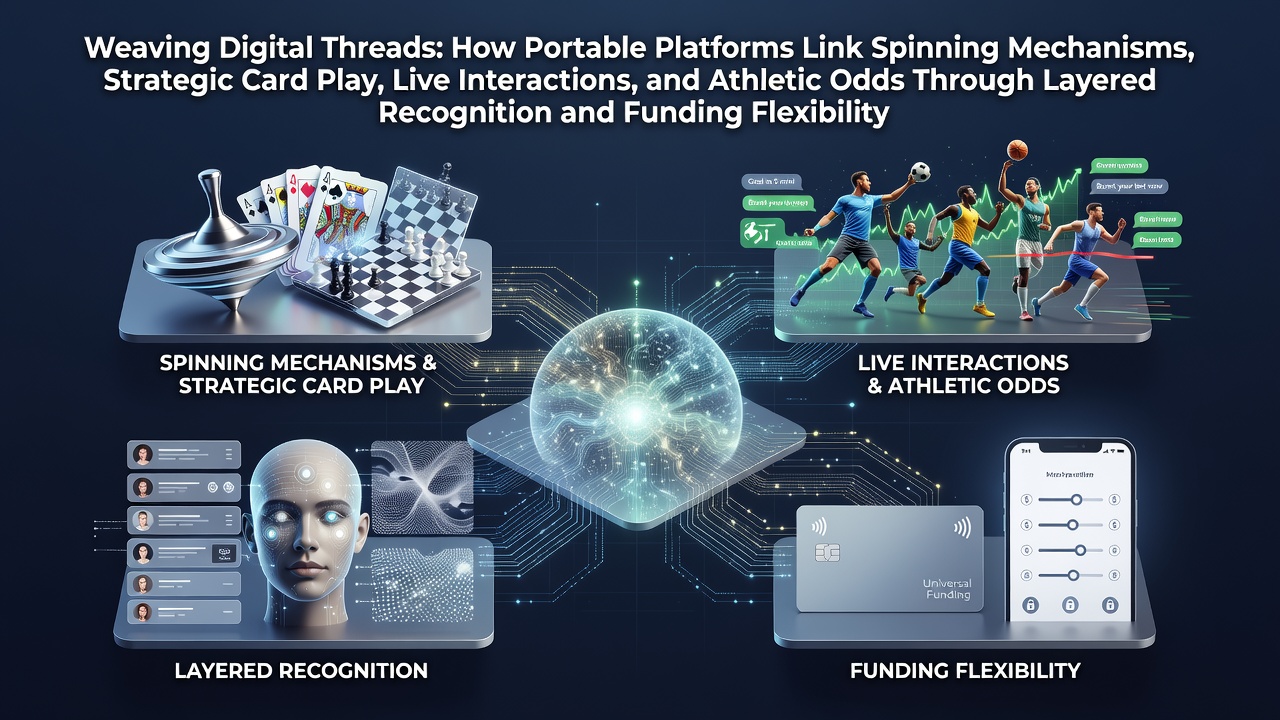
Portable platforms have developed systems that connect spinning mechanisms in slot games, strategic card play options, live dealer interactions, and athletic odds through unified applications; these connections rely on layered recognition programs alongside flexible funding methods that allow users to move between categories without interruption. Data from industry reports shows that mobile interfaces now handle transitions across game types by maintaining continuous user sessions, where progress in one area carries over to others via shared accounts and synchronized profiles.
Platform Architecture Enabling Cross-Category Access
Modern portable platforms use backend systems that recognize user activity across multiple formats, so a session involving spinning reels can transition directly into card strategy sessions or live table streams while preserving balance and preference settings. Researchers at the University of Nevada's gaming studies division documented how application programming interfaces link these elements, allowing athletic odds displays to appear alongside slot mechanics without requiring separate logins or fund transfers. Figures from the American Gaming Association indicate that integrated mobile environments accounted for substantial portions of player engagement by mid-2026, with seamless movement between categories reducing friction points that previously segmented user behavior.
Observers note that recognition layers function as progressive systems where accumulated activity in spinning mechanisms unlocks tiers that apply benefits during strategic card play or live interactions; these same tiers often extend to athletic odds sections, creating unified progression paths. Such structures emerged from software developments that track metrics like session duration and wager patterns across all formats simultaneously.
Layered Recognition Mechanisms in Practice
Layered recognition operates through tiered status levels that respond to combined activity rather than isolated game performance, so participation in live dealer rounds contributes points toward rewards usable in slot environments or sports betting interfaces. Evidence from platform analytics reveals that these systems maintain consistency by updating user profiles in real time, which means status earned during evening card sessions remains available for morning athletic wagers. Regulatory updates scheduled for July 2026 in several jurisdictions emphasize transparency requirements for how recognition algorithms calculate cross-format progress, prompting platforms to publish clearer explanations of point allocation rules.
Take one platform operator that implemented unified dashboards; users there found that completing challenges in spinning mechanisms granted immediate access to enhanced odds tables in athletic sections, while live interaction milestones accelerated card game bonuses. This approach consolidates what were once separate loyalty streams into single frameworks that adapt based on total engagement volume.
Funding Flexibility Supporting Integrated Experiences
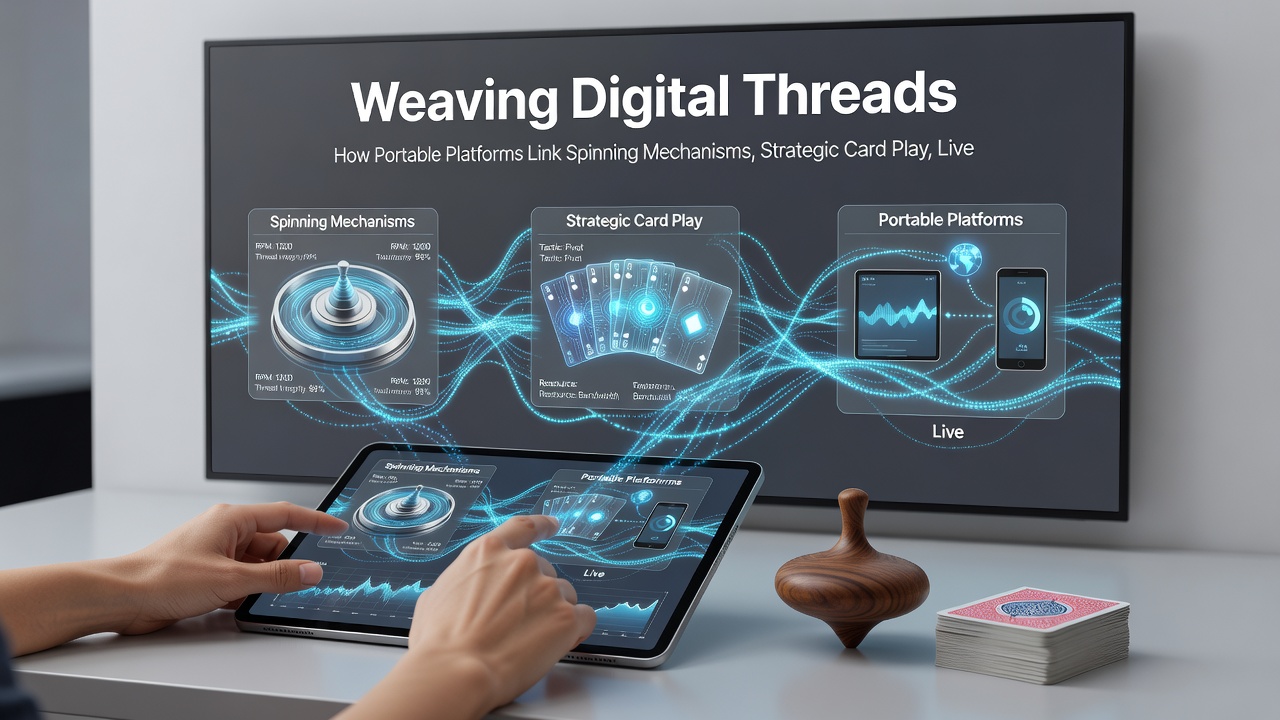
Flexible funding options enable instant movement of resources between game categories, which supports the layered recognition systems by ensuring users maintain continuous participation without delays from processing steps. Payment integrations now include multiple methods that process deposits and withdrawals across mobile sessions, allowing funds from a sports betting win to transfer directly into slot credits or live dealer tables. Studies conducted by European gaming technology consortia highlight that platforms incorporating rapid funding features recorded higher retention rates across combined game offerings compared to those relying on segmented payment flows.
But here's the thing: these funding tools also interact with recognition layers by applying bonuses or fee reductions based on tier status, so higher-level users encounter fewer restrictions when shifting between spinning mechanisms and athletic odds. Data indicates that such flexibility became standard in portable environments after updates in payment processing standards around 2025, which prioritized multi-format compatibility.
Operational Patterns Across User Sessions
Users navigate these connected systems through interfaces that present all categories within single navigation structures, where selections for strategic card play sit alongside live interaction rooms and athletic odds feeds. Patterns observed in usage data show that players often begin with spinning mechanisms, then move into live sessions before checking athletic lines, with recognition points updating throughout to reflect cumulative involvement. Platforms achieve this continuity by employing session management protocols that preserve state information regardless of which format receives focus at any moment.
Additional examples include applications that synchronize promotional triggers across formats, so an offer generated during card play activates automatically when the user enters a slot section or places a sports wager. These operational features rely on backend databases that consolidate activity logs from every category into unified records.
Conclusion
Portable platforms continue to refine connections between spinning mechanisms, strategic card play, live interactions, and athletic odds by advancing layered recognition systems and funding flexibility; these developments allow activity in one area to influence experiences in others through shared technical frameworks. Information from regulatory bodies and research institutions confirms that such integrations represent established trends in mobile gaming environments as of July 2026, with ongoing adjustments focused on maintaining consistent user pathways across all available formats.